Iran-Israel Tensions Rise: Understanding the Isfahan Strike and its Regional Impact
The Middle East once again finds itself grappling with heightened tensions following reports of explosions near Iran’s central city of Isfahan. This incident, widely interpreted as an Israeli retaliatory strike, marked a significant escalation in the ongoing shadow conflict between Iran and Israel. While initial reports focused on an "isfahan airport strike" due to immediate flight disruptions, the unfolding details suggest a more nuanced picture involving military targets near the city. Understanding the context, immediate repercussions, and potential long-term implications of this event is crucial for comprehending the region's fragile stability.
The Isfahan Incident: What We Know
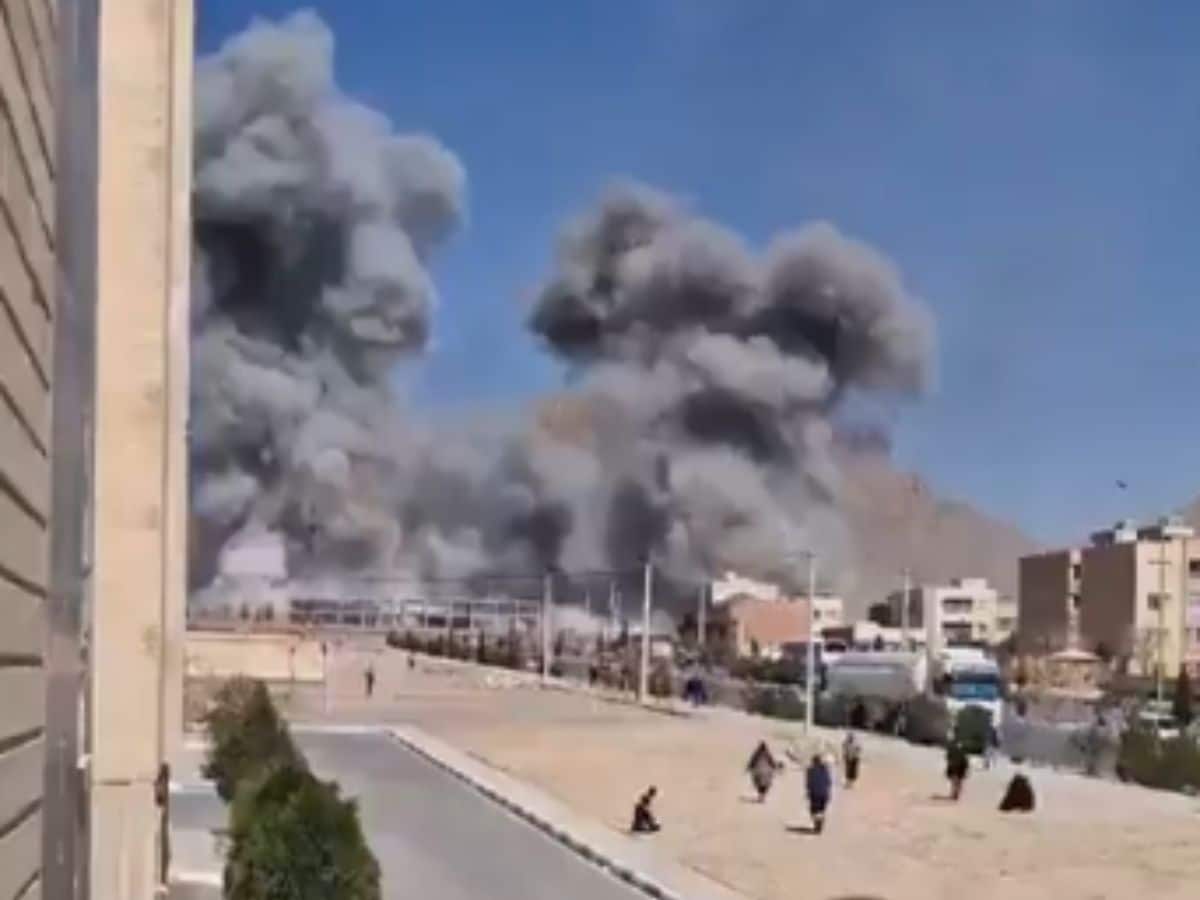
Early on a Friday morning, reports emerged from Iran of explosions heard near a military base located northwest of Isfahan. This particular base is known to house fighter jets, indicating a potential military target. The blasts were reportedly significant enough to shatter windows in nearby buildings. In the immediate aftermath, several airports across Iran, including Isfahan's Shahid Beheshti International Airport, temporarily canceled outgoing flights, and air traffic in the western part of the country was rerouted, causing widespread disruption. For more detailed information on the immediate fallout, you can refer to Isfahan Airport Explosions: Israel's Strike and Flight Disruptions.
While Iranian officials initially downplayed the incident, attributing the explosions to air defense systems intercepting small drones, US officials soon provided a different narrative. Sources close to the US government, speaking to outlets like CNN, indicated that Israel had indeed carried out a strike inside Iran. This revelation confirmed suspicions that the incident was a direct response to Iran's unprecedented drone and missile barrage against Israel the previous Saturday.
Israel's Stated Motivation and Limited Scope
The Israeli action came in response to Iran's large-scale attack, which involved hundreds of drones and missiles launched towards Israeli territory. While the vast majority of these projectiles were intercepted by Israel's robust air defense systems, with assistance from the US and UK, the sheer scale of the Iranian assault was deemed "unprecedented" by international observers. US officials familiar with the Israeli response stated that the scope of Israel's contemplation was "narrow and limited," specifically designed to avoid targeting nuclear facilities or civilian infrastructure. This suggests a calculated attempt to de-escalate rather than broaden the conflict, while still sending a clear message of deterrence.
The decision to strike inside Iran was reportedly viewed as a necessary step by Israel, despite considerable international pressure to exercise restraint. President Biden had openly advised Israel to "take the win" from the largely thwarted Iranian attack and refrain from retaliation, with concerns that any response would heighten tensions further and deepen the crisis in the Middle East. Furthermore, US officials clarified that they did not give a "green light" for the Israeli operation, emphasizing the independence of Israel's decision-making. To understand the strategic implications of this specific type of response, explore Limited Strike in Isfahan: What Does Israel's Retaliation Mean?
Iran's Warnings and the Geopolitical Chessboard
Prior to the Isfahan incident, Iran had issued stern warnings against any Israeli retaliation. Iranian President Ebrahim Raisi declared that his country would deliver a "massive and harsh" response for even the "tiniest" invasion of its territory. Just hours before the explosions near Isfahan, Iranian Foreign Minister Hossein Amir-Abdollahian reiterated this stance to CNN, stating that any further military action by Israel against Iran would provoke an "immediate and at a maximum level" retaliation. These strong warnings underscored the volatile nature of the situation and the inherent risks of escalation.
The events surrounding the "isfahan airport strike" (or more accurately, the strike near Isfahan that affected airport operations) highlight a complex geopolitical chessboard. Both sides are attempting to project strength and deterrence without triggering a full-scale regional war. The international community, particularly the United States, finds itself in a delicate balancing act, attempting to support its allies while simultaneously urging de-escalation.
Implications for Regional Stability and Future Outlook
The Isfahan incident carries significant implications for regional stability. The immediate aftermath saw a period of intense uncertainty regarding whether this tit-for-tat exchange would lead to further escalation. The measured nature of Israel's reported strike, targeting a military site rather than broader infrastructure, combined with Iran's relatively subdued official response, suggests a mutual, albeit fragile, interest in preventing a wider conflict. However, the underlying tensions remain exceptionally high, and the risk of miscalculation is ever-present.
Analysts are closely watching to see if this exchange marks a new, more direct phase in the Iran-Israel conflict, moving beyond proxy wars and covert operations. The direct exchange of fire, albeit limited, sets a dangerous precedent. The global community is pressing for diplomatic solutions, recognizing that a full-blown conflict between these regional powers would have catastrophic consequences for the Middle East and beyond, impacting global energy markets, trade routes, and humanitarian situations.
Practical Considerations for Travelers Amidst Regional Tensions
For individuals planning travel to or through the Middle East, such incidents underscore the importance of vigilance and preparedness. Here are some practical tips:
- Monitor Official Advisories: Always check travel advisories from your country's foreign ministry or embassy before and during your trip. These provide the most up-to-date security information.
- Flight Status Checks: If flying to or from a region experiencing tensions, regularly check the status of your flights directly with the airline or airport. Geopolitical events can lead to sudden cancellations or rerouting, as seen with the Isfahan disruptions.
- Emergency Contacts: Ensure you have emergency contact information for your embassy, local authorities, and family members readily accessible.
- Stay Informed: Follow reputable international news sources for real-time updates on political and security developments.
- Travel Insurance: Consider comprehensive travel insurance that covers disruptions due to political instability or unforeseen events. Read the policy carefully to understand what is covered.
Navigating Geopolitical Tensions: A Path Forward?
The events surrounding the "isfahan airport strike" (as it was initially perceived and discussed) serve as a stark reminder of the volatile political landscape in the Middle East. While both Iran and Israel have demonstrated a degree of strategic restraint in the immediate aftermath, the fundamental sources of tension—including Iran's nuclear program, its regional proxy networks, and Israel's security concerns—remain unresolved. The path forward undoubtedly requires robust diplomatic engagement, aimed at de-escalation and finding common ground to prevent further military confrontations. International bodies and key global powers have a crucial role to play in facilitating dialogue and fostering conditions for long-term stability.
The challenge lies in balancing deterrence with de-escalation. Both sides feel compelled to respond to perceived threats, but unchecked retaliation cycles risk spiraling out of control. The current standoff highlights the need for careful communication channels, even indirect ones, to manage crises and prevent unintended consequences. Moving beyond the immediate retaliatory cycle to address the root causes of the conflict is essential for any sustainable peace in the region.
In conclusion, the reported Israeli strike near Isfahan, following Iran's unprecedented attack, represents a dangerous chapter in the long-standing Iran-Israel rivalry. While the immediate aftermath has seen a cautious de-escalation, the incident underscores the extreme fragility of regional stability. The world watches anxiously as leaders in Tehran, Jerusalem, and international capitals navigate this complex geopolitical environment, hoping to steer away from a wider, more devastating conflict and towards a path of diplomacy and enduring peace.